

A governance journey focused on public welfare, accountability, development and delivery of commitments
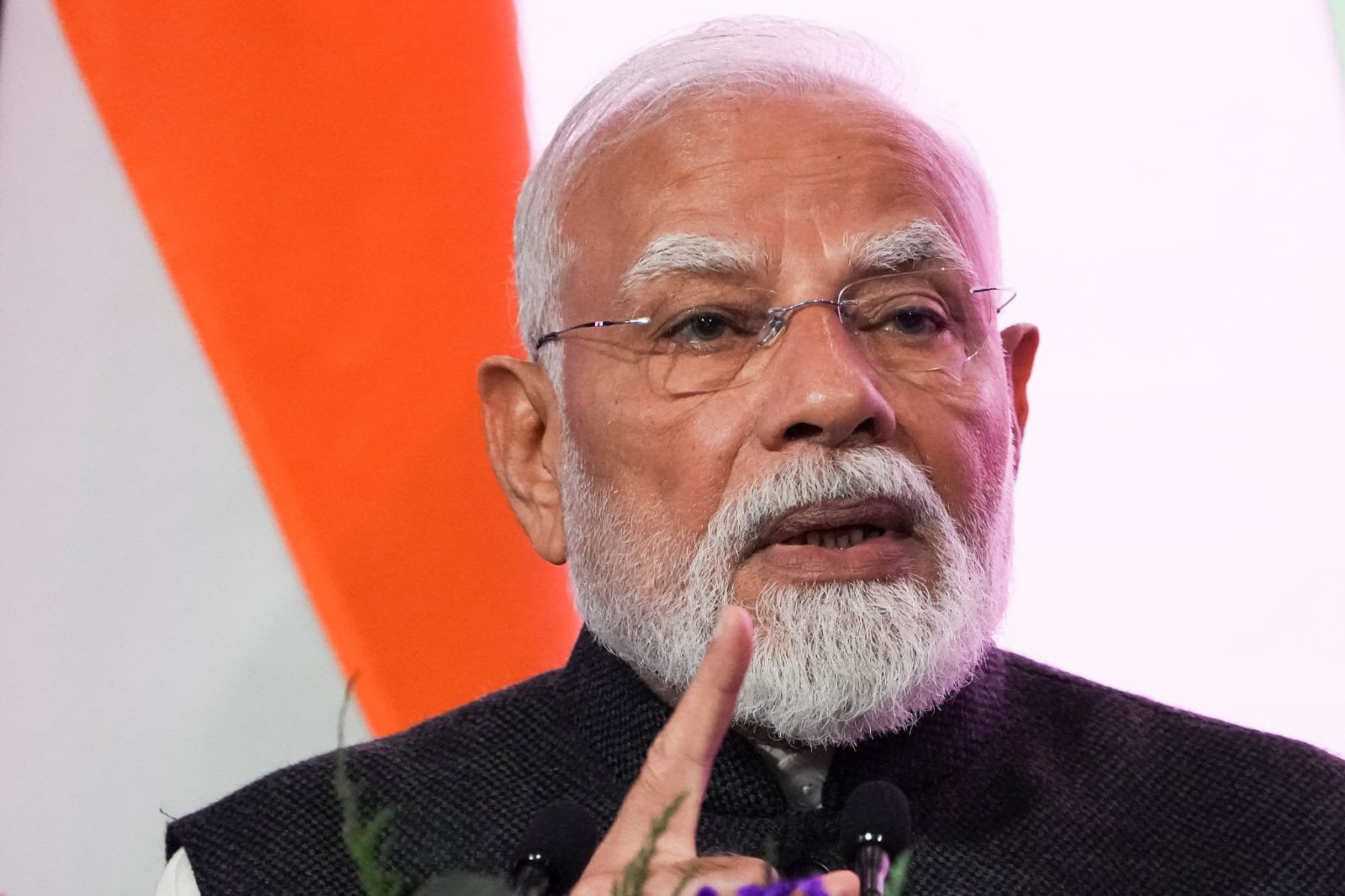
New Delhi: Prime Minister Narendra Modi’s 25-year journey in public service reflects a governance approach that places implementation, accountability and measurable outcomes at the centre of public administration. Highlighting this transformation, Paresh Gohel, OSD to the Chairman of IFFCO, underscores how the philosophy of ‘Modi Ki Guarantee’ seeks to bridge the gap between government announcements and benefits reaching citizens.
The journey began in Gujarat, where several initiatives addressed long-standing challenges in rural development, electricity, education, agriculture and grievance redressal. These programmes established a foundation for a results-oriented administrative approach.
The Jyotigram Yojana, introduced in 2003, improved rural electricity management through the separation of agricultural and non-agricultural feeders. Garib Kalyan Melas aimed to connect disadvantaged families directly with welfare benefits, while Krishi Mahotsav strengthened agricultural outreach by bringing farmers closer to scientific advice and modern farming practices.
Similarly, Kanya Kelavani Mahotsav and Shala Praveshotsav encouraged school enrolment, particularly among girls. The SWAGAT programme, launched in April 2003, introduced technology-enabled grievance redressal and received international recognition through the United Nations Public Service Award in 2010.
After Narendra Modi became Prime Minister in 2014, this emphasis on delivery expanded nationally. The Swachh Bharat Mission mobilised citizens around sanitation, while the Pradhan Mantri Jan-Dhan Yojana expanded access to formal banking. Rural electrification pursued clearly defined targets, and digital financial services strengthened the infrastructure for direct benefit transfers.
Major national decisions also reflected the government’s stated priorities. The 2019 constitutional changes concerning Article 370 and the reorganisation of Jammu and Kashmir marked a significant shift in India’s constitutional and administrative framework.
Internal security has remained another priority, combining security operations with development and improved connectivity in Left-Wing Extremism-affected regions. The government’s March 31, 2026, target became a milestone in its campaign against Naxalism.
According to Paresh Gohel’s perspective, the defining feature of this governance model is the movement from intent to implementation through clear objectives, administrative coordination, time-bound action and continuous monitoring.
Ultimately, the credibility of any government depends on the difference it makes in people’s lives. ‘Modi Ki Guarantee’ represents the political emphasis on fulfilling commitments rather than limiting governance to announcements. Transparent assessment, sustainable outcomes and continued efforts to address implementation gaps remain essential to strengthening public trust.